The enterprise hiring landscape in 2026 is undergoing a fundamental shift. For years, platforms like HireVue and TestGorilla have dominated candidate screening workflows. However, organizations—especially Fortune 500 and large mid-market companies—are beginning to question whether these tools still align with modern hiring needs.
Long implementation cycles, rigid evaluation formats, opaque scoring systems, and expensive annual contracts are no longer acceptable in a market that prioritizes speed, transparency, and candidate experience.
The Problem with Legacy Interview Platforms
HireVue has long been considered the enterprise default. But that dominance comes at a cost. Implementation timelines often stretch across months, requiring deep coordination across IT, compliance, and HR teams. The platform itself is burdened with legacy features designed for large-scale compliance rather than agility.
Additionally, annual contracts ranging from $35,000 to $60,000 lock organizations into inflexible commitments. Many companies end up paying for capacity they don’t use, especially when hiring demand fluctuates.
Perhaps the most critical issue is the lack of transparency. Black-box AI scoring systems make it difficult for recruiters to explain candidate rankings to hiring managers, creating internal friction and trust issues.
TestGorilla and the Candidate Experience Problem
While TestGorilla solves a different problem—skills assessment—it introduces its own set of challenges. Multiple-choice, time-bound assessments may work for entry-level hiring, but they fail dramatically when applied to experienced professionals.
Senior candidates, including engineers, managers, and executives, are increasingly unwilling to spend 30–45 minutes completing impersonal tests before even speaking to a recruiter. This creates significant drop-off rates and shrinks the talent pool to only the most desperate applicants.
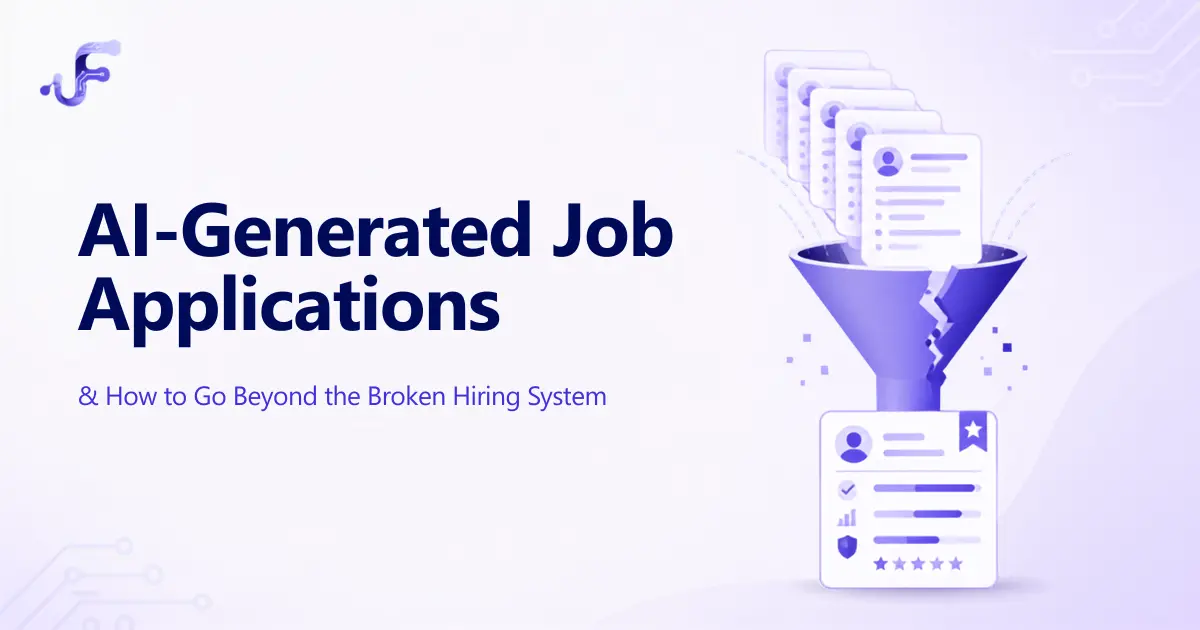
The result is a broken funnel where top-tier talent disengages before meaningful evaluation even begins.
The Shift to Conversational AI Interviewing
The most important shift in 2026 is the move toward conversational, AI-driven interviews. Instead of static video recordings or rigid tests, modern platforms now simulate real interview experiences.
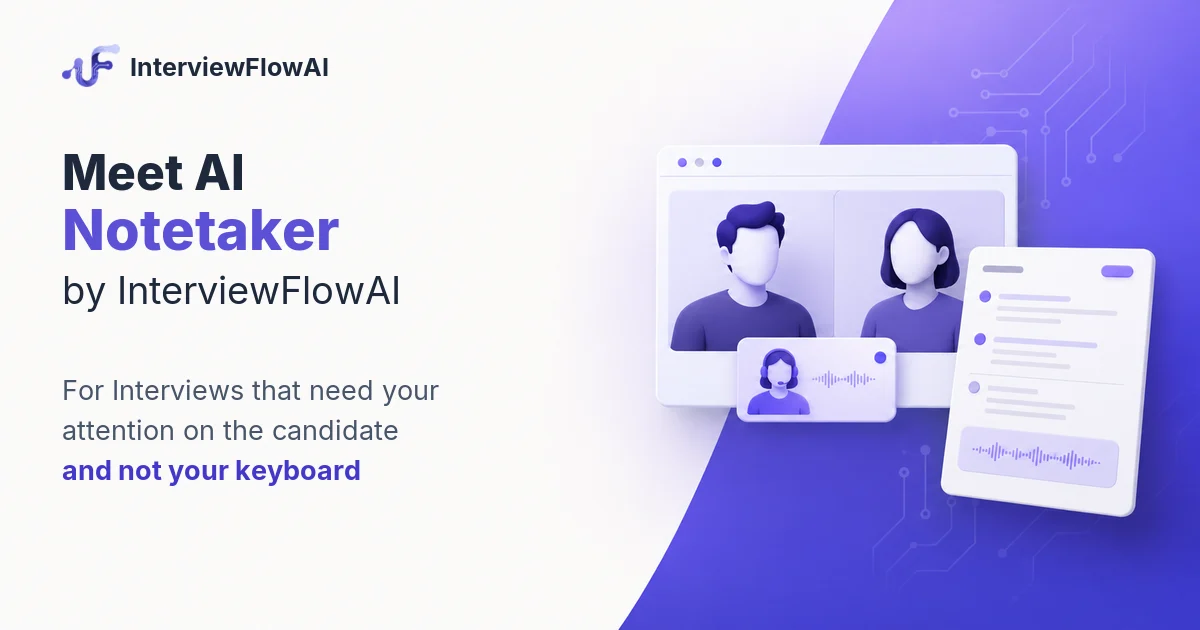
InterviewFlowAI represents this new category. It replaces both one-way video interviews and multiple-choice testing with fully autonomous, two-way conversations. Candidates engage in real-time voice or video interviews where the AI dynamically adapts follow-up questions based on their responses.
This approach delivers a far more accurate signal of candidate ability, especially for complex roles involving system design, problem-solving, or leadership.
Key Advantages of Modern AI Interviewers
- Zero Implementation Friction: Instant setup with no enterprise onboarding delays.
- Transparent Scoring: Candidates are evaluated out of 100 with clear reasoning behind each score.
- Pay-Per-Use Pricing: At $0.99 per interview, organizations only pay for what they use.
- Dynamic Conversations: AI adapts questions in real time instead of relying on static scripts.
- ATS Integrations: Native integrations with platforms like Greenhouse and Lever.
Why Conversational AI Wins
Unlike traditional tools, conversational AI respects the candidate’s time and experience. It mirrors a real interview environment, allowing candidates to explain their thinking, ask clarifying questions, and demonstrate depth.
At the same time, it provides recruiters with structured, comparable data across all candidates—without sacrificing nuance.
Modern platforms also introduce trust mechanisms such as real-time integrity checks, ensuring candidates are not relying on external assistance during interviews.
The New Standard for Hiring
The hiring stack is evolving rapidly. Organizations that continue to rely on legacy systems will face increasing inefficiencies, higher costs, and weaker candidate pipelines.
The new standard is clear:
- Agile deployment instead of months-long implementation cycles
- Transparent AI instead of black-box scoring
- Conversational evaluation instead of rigid testing
- Usage-based pricing instead of fixed annual contracts
Companies that adopt this model will move faster, hire better, and deliver a significantly improved candidate experience.
Conclusion
The dominance of platforms like HireVue and TestGorilla is being challenged not by incremental improvements, but by a complete rethinking of how candidate evaluation should work.
Conversational AI interviewers represent that shift. They eliminate inefficiencies, restore transparency, and align the hiring process with the expectations of modern talent.
If your organization is still relying on outdated screening methods, now is the time to reassess. The future of hiring is not static, scripted, or opaque—it is dynamic, intelligent, and conversational.